
Empowering Lives with the Support of Assistance Animals

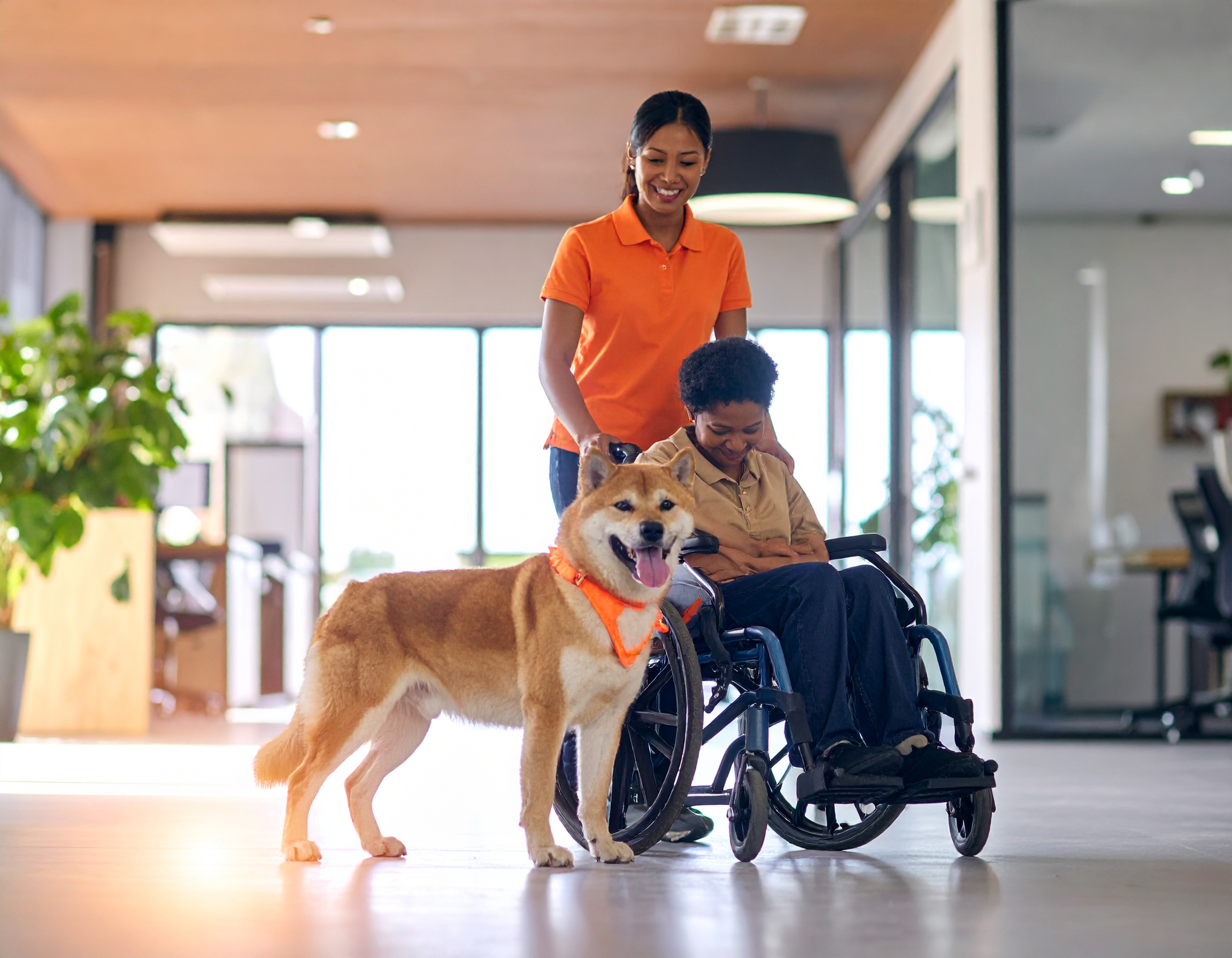
Companions That Care: Assistance Animals For Greater Independence
At Sterling Care Australia, we understand the life-changing impact of assistance animals for individuals living with disability. These specially trained animals provide not only emotional support but also physical aid that enhances independence, safety, and confidence in everyday life. Whether it’s guiding, alerting, or comforting – we support your journey with the right assistance animal services under your NDIS plan.
Reach out to usSafe Assistance

Having my assistance dog has given me the freedom to go out alone and feel safe again. Sterling Care guided me through every step—from paperwork to ongoing support. I can’t thank them enough
Ruth
Richmond

Support With A Paw
Need an assitance animal? We help you get the right support, meet NDIS criteria, and feel more independent.
Eligibility Guidance
Learn about eligibility criteria for assistance animal support under your NDIS plan.

Application & Documentation Support
We help you collect, prepare, and submit the required documents for NDIS approval

Vet & Training Provider Coordination
Connect with registered assistance animal trainers and veterinary providers

Funding Support
Assistance navigating funding requests for assessments, animal costs, and handler training
Get In Touch Today
Explore how we can assist you in achieving a fulfilling and enriched life.
Reach out to usWe Asked For Our Client’s Opinion
A Life-Changing Companion
My assistance dog has completely changed my life. With Sterling Care’s help, I was able to understand the process, training, and ongoing care. Now, I can travel confidently and manage my day-to-day activities with more independence and peace of mind
Daniel P
Preston

Have A Question About Our Animal Assistance Services?
These are some of the common questions we receive. Since everyone's needs are different, feel free to reach out with any inquiries—we’re here to help!
contact us
What is the difference between an assistance animal and a pet?
Assistance animals are specially trained to perform tasks for a person with a disability, while pets are companions without specific training for disability support.

Does the NDIS fund assistance animals?
The NDIS may fund an assistance animal if it’s considered a reasonable and necessary support—this includes assessments, training, and maintenance.
Can I choose any dog to become an assistance animal?
Only dogs assessed and trained by approved providers can qualify. We help you connect with the right services.
What documents do I need to provide to get funding?
Supporting evidence may include functional assessments from allied health professionals, letters from GPs, and quotes from trainers. We help compile it all.